Garden Design & Installation
A planning and installation process for creating structured garden layouts with selected plant varieties.
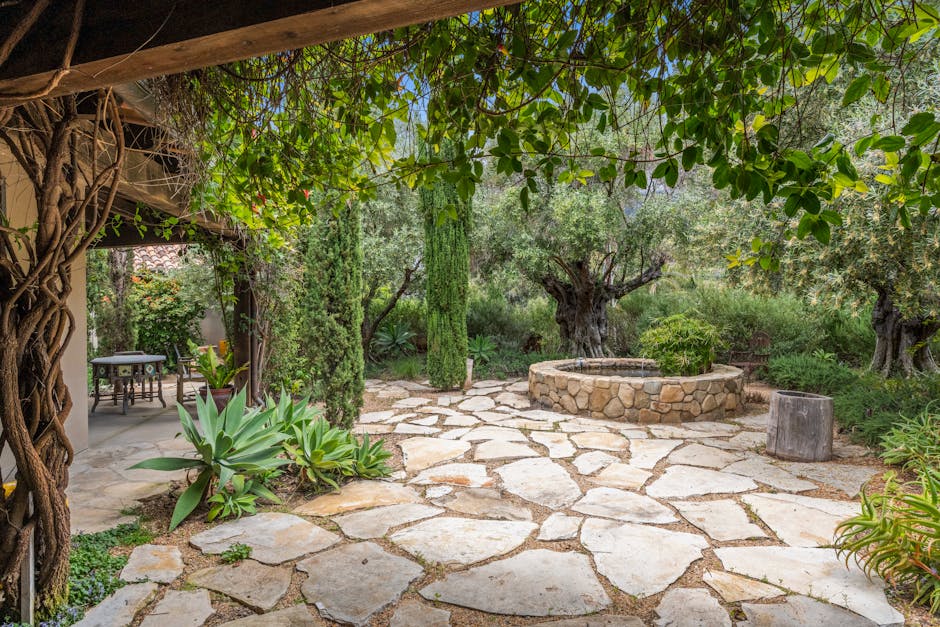
A structured approach to landscape design and installation for Tokyo properties. We focus on the methodology of creating and maintaining outdoor spaces, including gardens, water features, and lighting systems.
Discuss Your ProjectSakura Landscapes operates with a process-oriented framework for managing outdoor environments. This involves a sequence of planning, installation, and maintenance phases. The approach considers spatial organization, plant selection criteria, and the integration of structural elements like pathways and seating areas.
Sakura Landscapes utilizes a detailed methodology for landscape projects in the Tokyo area. This process begins with an assessment of the site's conditions and the client's considerations. The subsequent design phase involves creating layout plans that account for seasonal changes, local flora, and functional zoning for different outdoor activities.
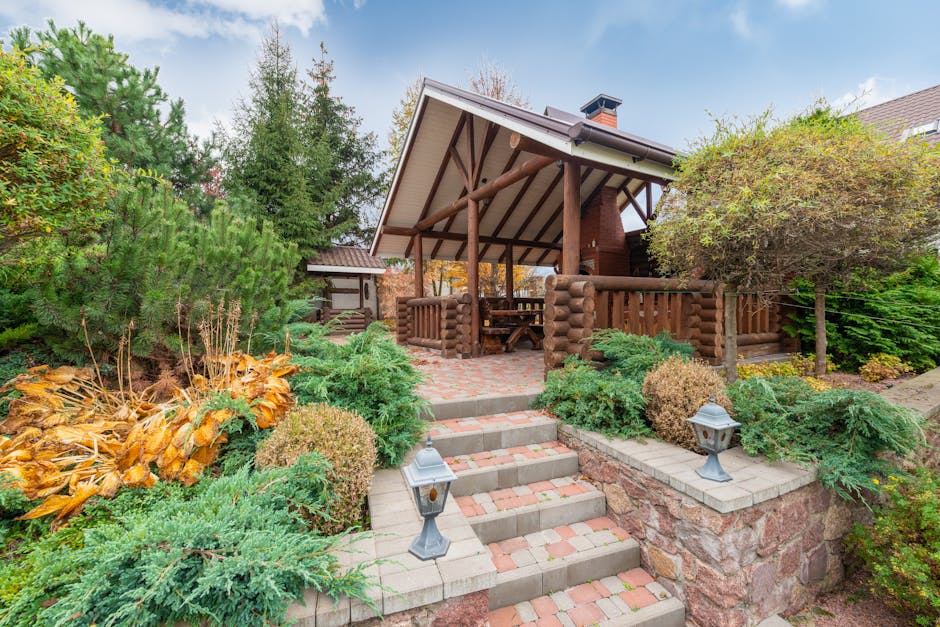
A planning and installation process for creating structured garden layouts with selected plant varieties.
The construction of defined areas such as patios, decks, and pergolas for external use.
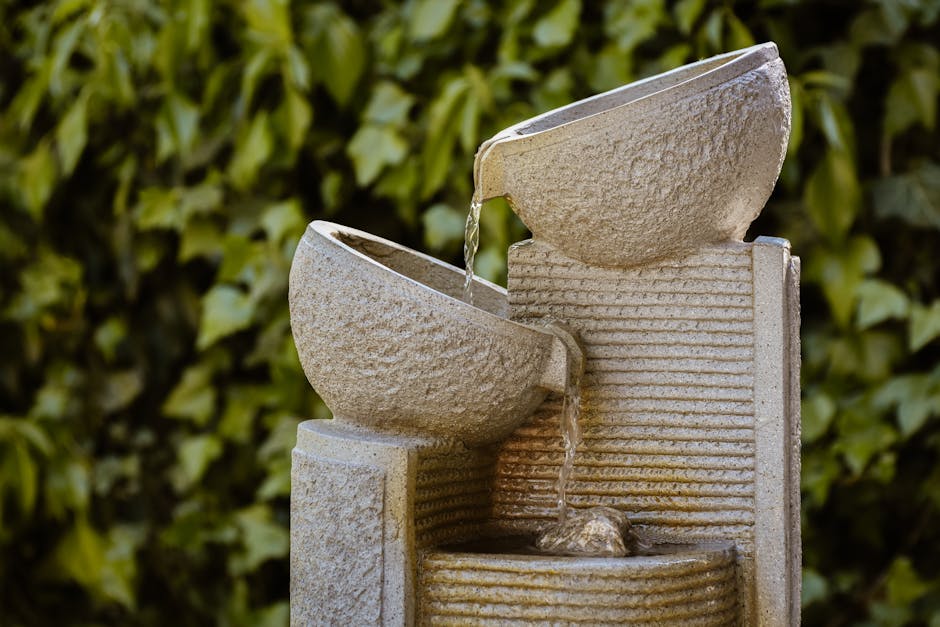
The technical installation of ponds, streams, or fountains as landscape components.
A method for installing outdoor lighting to illuminate pathways and architectural features.
Our methodology incorporates considerations specific to the Tokyo metropolitan environment. This includes evaluating microclimates, available space constraints typical of urban properties, and selecting plant materials that are documented to suit local conditions. The approach is adapted to the distinct seasonal patterns observed in the region.
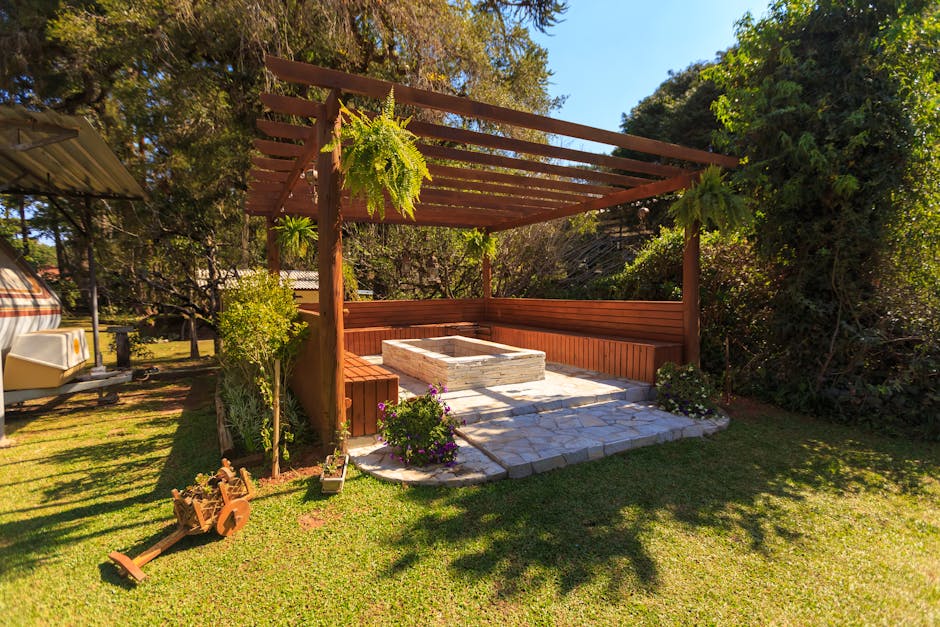
Ongoing landscape maintenance is presented as a scheduled series of actions. This can include procedures for pruning, fertilization based on soil tests, irrigation system checks, and seasonal cleanup. The frequency and scope of these actions are variable and depend on the specific garden design and environmental factors.
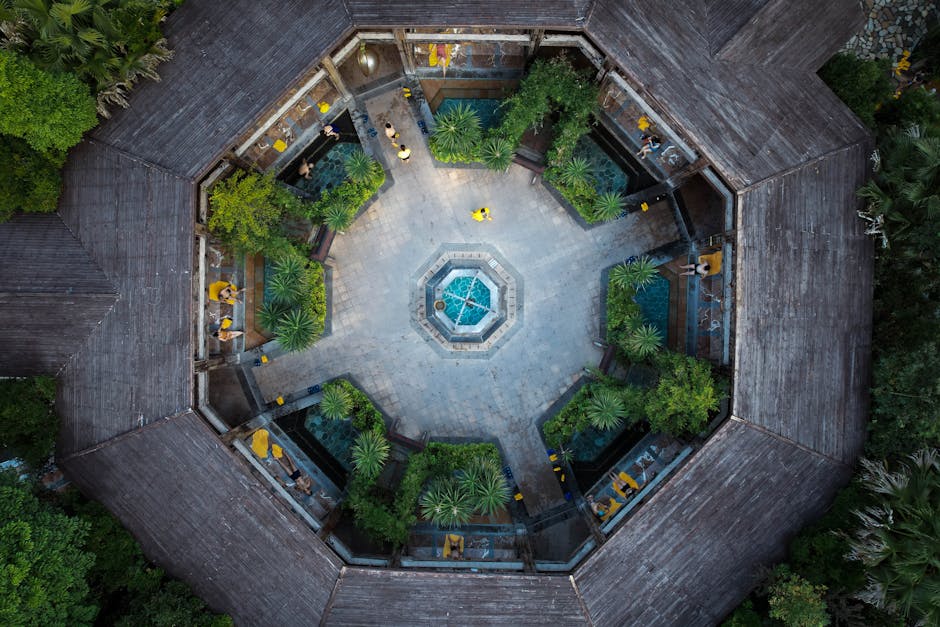
A review of property dimensions, sunlight patterns, soil type, and existing features.
Development of layout drafts and material selections for client consideration.
A sequenced construction process, often starting with hardscaping before planting.
A follow-up discussion to review care instructions and address any initial questions.
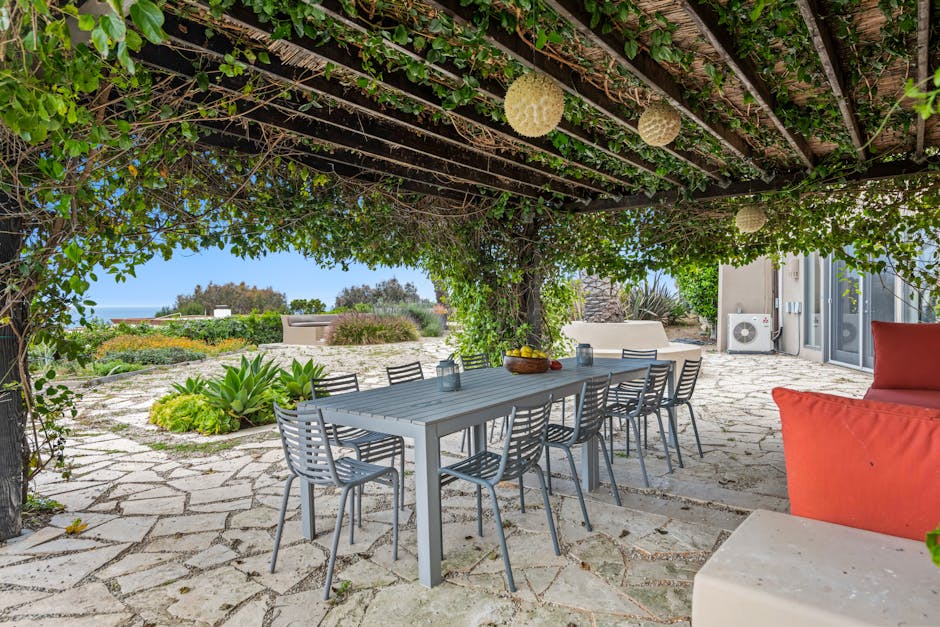
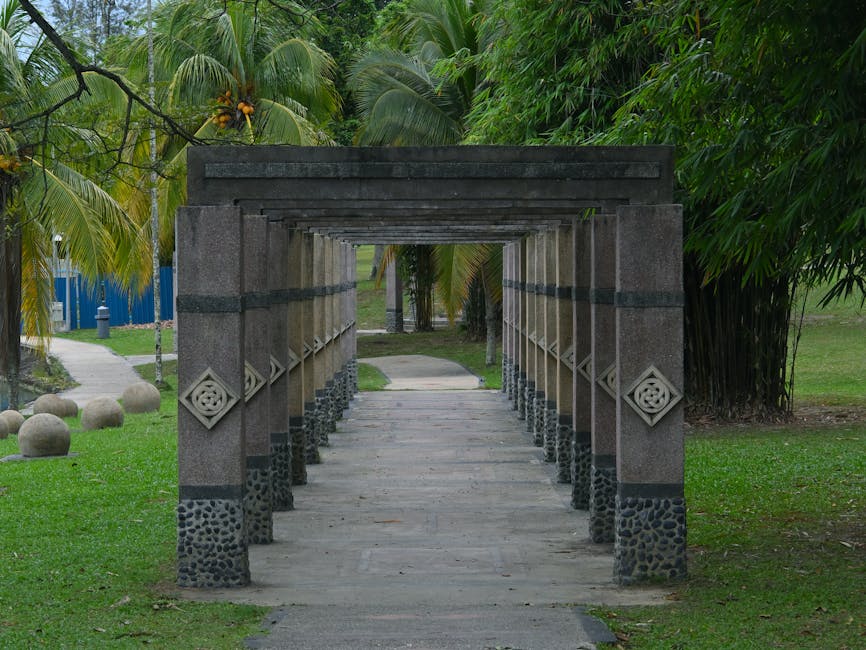
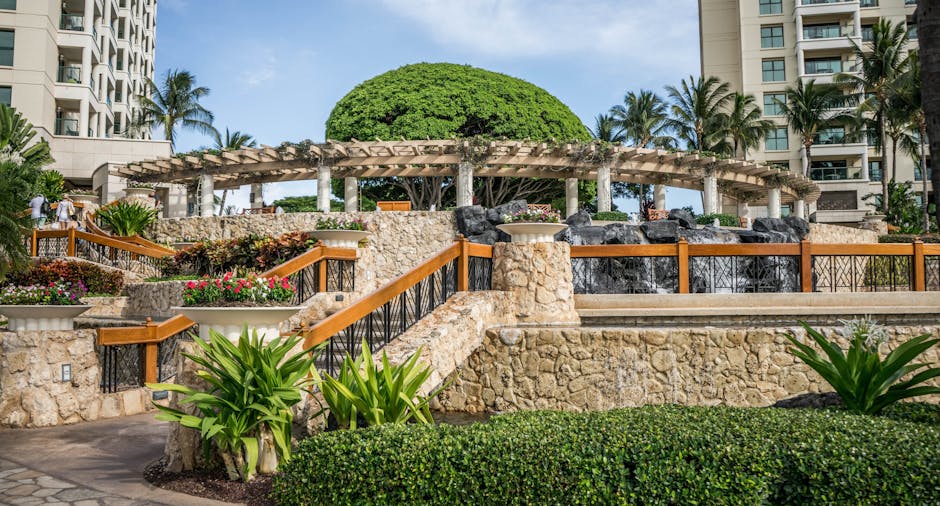
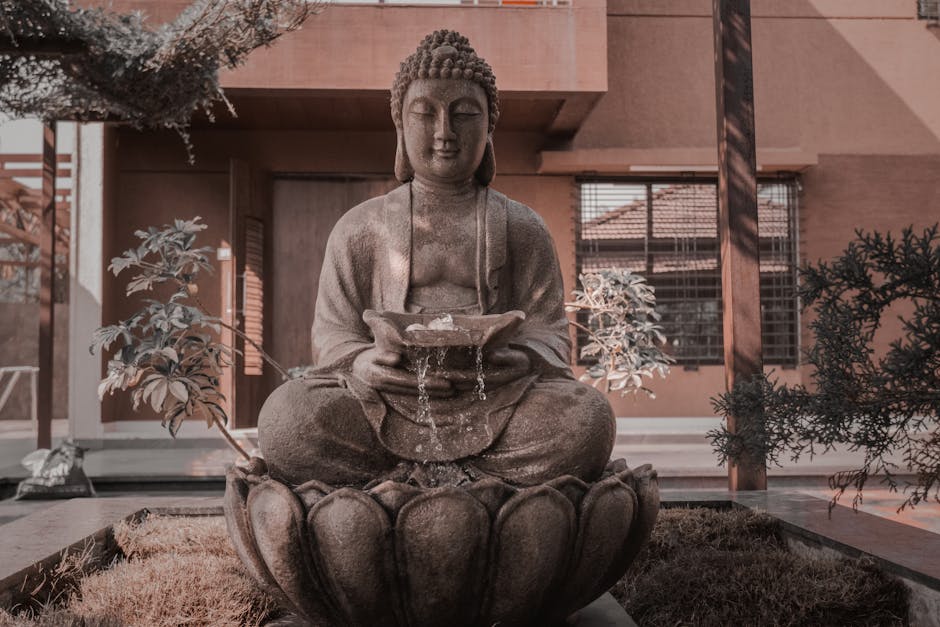
When evaluating a landscaping project, several factors are typically considered. These include the intended use of the outdoor space, the property's specific exposure to sun and wind, and budget parameters for materials and labor. Local regulations regarding construction and drainage in Tokyo may also be a relevant factor. A transparent planning process aims to address these variables.
Sakura Landscapes employs a selection process for hardscape and plant materials. This involves presenting options for paving stones, decking woods, and ornamental plants, noting their documented characteristics. Choices may be influenced by durability, aesthetic preferences, and suitability for Tokyo's climate, with the understanding that all materials have variable lifespans and maintenance needs.
A meeting to discuss the property, ideas, and review the scope of potential work.
Presentation of concept plans, material samples, and a preliminary project outline.
Coordination of a timeline and crew for the on-site construction and planting phases.
Final walkthrough and delivery of information regarding the care of the new landscape.
Our methodology emphasizes a collaborative planning stage. This involves sharing drafts, material palettes, and layout options for client feedback. The intent is to develop a plan that reflects the property owner's considerations within the framework of horticultural and construction practices.
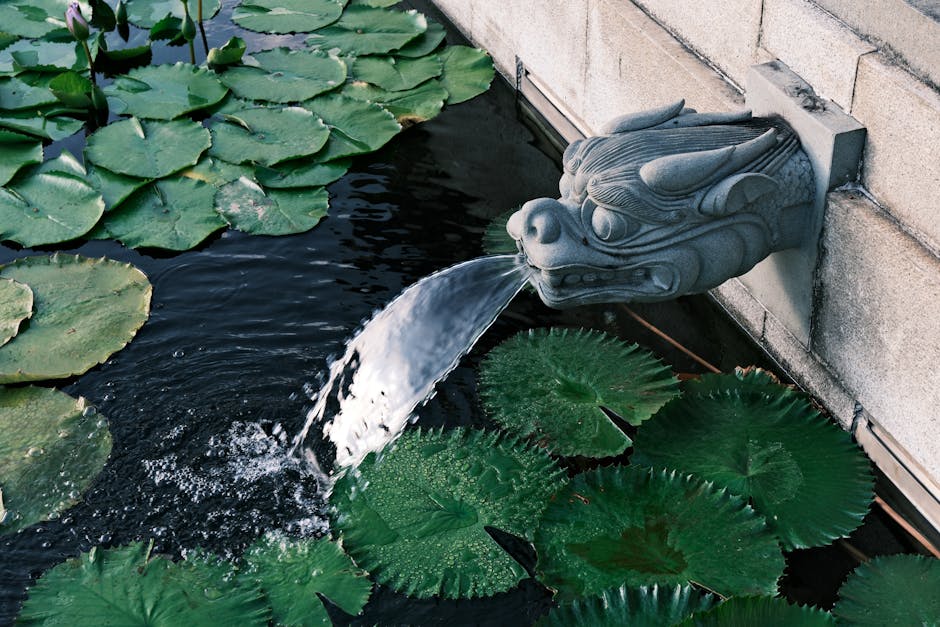
The selection and care of plant materials are based on established horticultural practices. We consider factors such as plant hardiness zones relevant to Tokyo, growth habits, and companion planting principles. This information is provided to inform decisions, with the understanding that plant growth is influenced by many external factors.
Periodic review of the landscape to note plant health, irrigation performance, and any wear.
Performing routine tasks like pruning, mulching, and cleaning based on the time of year.
Checking irrigation and lighting systems for functionality and making adjustments as needed.
Providing observations and options for potential changes or additions to the landscape over time.
For inquiries regarding our landscape design and installation methodology, please use the form below or our contact details.